 +86 13929910217


Table of Contents
SHKL has been a leading manufacturer of bathroom vanity, shower doors, and LED bathroom mirrors since 2004.
What Type of Bathroom Sink Should You Choose? A Complete Buyer’s Guide
2025-12-10
1. Introduction
Why Choosing the Right Bathroom Sink Truly Matters
When I first started exploring different bathroom sink types, I quickly realized that a sink is more than just a functional fixture—it plays a major role in how a bathroom looks, feels, and works in everyday life. Whether you're renovating your home, upgrading a vanity, or sourcing products for retail or commercial projects, choosing the right sink can dramatically improve both functionality and aesthetics.
A well-chosen sink can make a small bathroom feel more open, elevate a modern vanity with clean lines, or introduce a bold design statement with a vessel bowl. On the other hand, the wrong choice—whether it’s the wrong size, wrong installation type, or the wrong material—can cause daily inconvenience, wasted space, or even extra maintenance you didn’t plan for.
That’s why understanding the differences between undermount sinks, vessel sinks, pedestal sinks, drop-in sinks, and other popular options matters before you buy. Each type comes with its own pros, cons, installation requirements, and design advantages.
What You’ll Learn in This Complete Buyer’s Guide
In this guide, I’ll walk you through the most common types of bathroom sinks, break down the strengths and weaknesses of each, and explain how to choose a sink that truly fits your space, lifestyle, and design goals. You’ll also get a deeper look at popular materials—from ceramic and porcelain to resin, stone, and glass—so you can compare durability, cost, and long-term maintenance.
By the end, you’ll have a clear understanding of:
Which bathroom sink style works best for your space
How installation types affect design and usability
What materials offer the best value for different needs
How to avoid common mistakes when choosing a sink
Whether you're a homeowner planning a remodel or a B2B buyer analyzing product selections for your customers, this guide gives you the clarity you need to make a confident, well-informed decision.
2. Common Bathroom Sink Types (with Pros & Cons)
As I explored different bathroom sink types, I quickly learned that each style serves a unique purpose—from saving space to making a bold design statement. Below, I break down the most common sink options, sharing practical insights and real-world pros and cons to help you choose with confidence.
2.1 Undermount Sink
What It Is
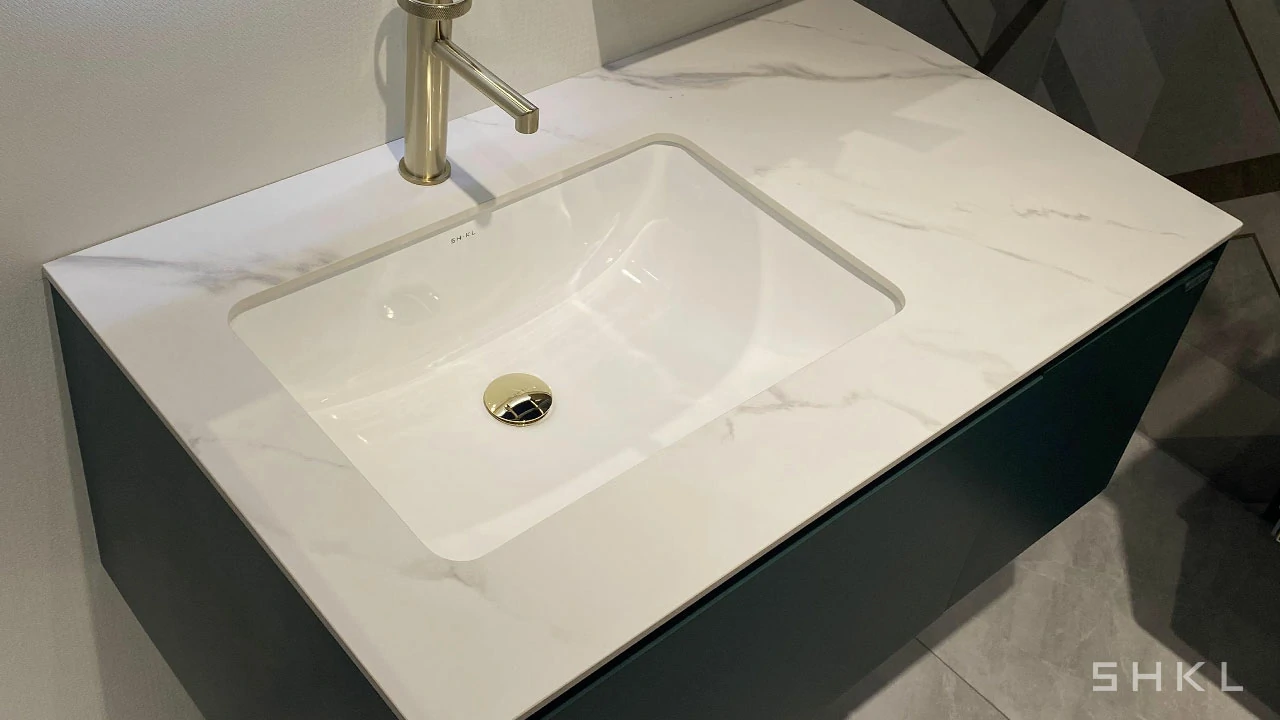
An undermount sink is installed beneath the countertop, creating a smooth, integrated surface. Because there’s no visible rim, the sink blends seamlessly with materials like quartz, marble, or granite.
Pros
A seamless look that enhances modern bathrooms
Easy to clean because crumbs, water, and debris can be wiped straight into the sink
Works beautifully with high-end vanity designs
Cons
Requires a solid countertop (stone or engineered surface) for proper support
Slightly higher installation cost
Best For
Modern bathrooms, luxury remodels, and vanities with quartz or stone countertops.
2.2 Vessel Sink
Description
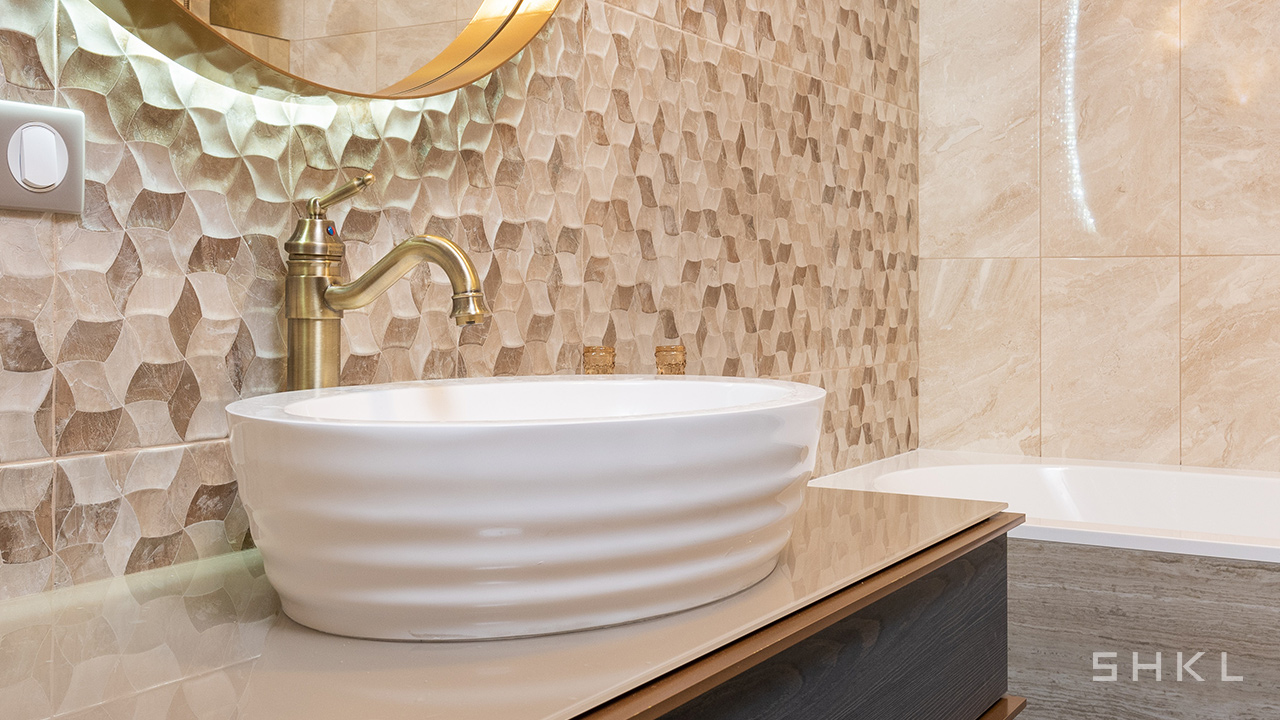
A vessel sink sits on top of the vanity like a decorative bowl. It instantly becomes the focal point of the bathroom and is common in boutique or designer-style spaces.
Pros
Extremely stylish and artistic
Makes a strong statement piece in luxury environments
Adds height and visual interest to a vanity
Cons
Greater splash risk due to its elevated rim
Requires frequent wiping to maintain its appearance
Not ideal for high-traffic family bathrooms
Best For
Luxury or boutique-style bathrooms, hotel suites, or homeowners seeking a bold design element.

2.3 Drop-In (Top-Mount) Sink
Description
A drop-in sink—also called a top-mount sink—features a rim that rests on top of the countertop. It is one of the most common and practical sink types.
Pros
Easy installation, even for DIY
Budget-friendly and compatible with most countertop materials
Highly versatile for residential and commercial projects
Cons
The rim can collect dirt and grime over time
Less visually seamless than undermount sinks
Best For
Most standard bathroom renovations, rental units, and cost-conscious remodels.
2.4 Pedestal Sink
Description
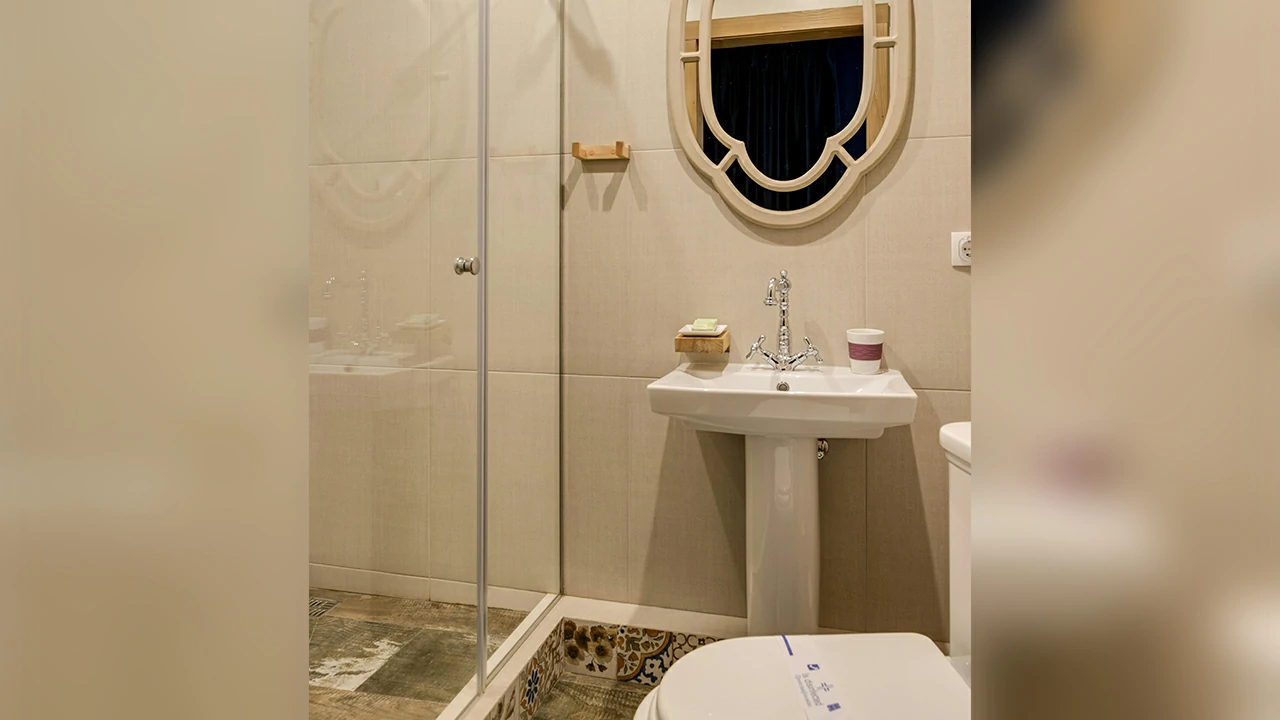
A pedestal sink consists of a basin supported by a narrow column. It has a minimalist structure that saves space while giving the bathroom a classic look.
Pros
Space-saving, ideal for compact layouts
Elegant and timeless style
Exposes more of the bathroom floor, making the room feel larger
Cons
No countertop space or storage
Limited plumbing concealment
Best For
Small bathrooms, powder rooms, or traditional home designs.
2.5 Wall-Mounted Sink
Description
A wall-mounted sink attaches directly to the wall with no need for a vanity or pedestal. This creates a floating effect that opens up floor space.
Pros
Saves floor space, making small bathrooms feel bigger
Modern and minimalist appearance
Wheelchair-friendly and accessible
Cons
Requires strong wall support and proper plumbing alignment
No built-in storage
Best For
Minimalist, small, or contemporary bathrooms where accessibility and space efficiency matter.
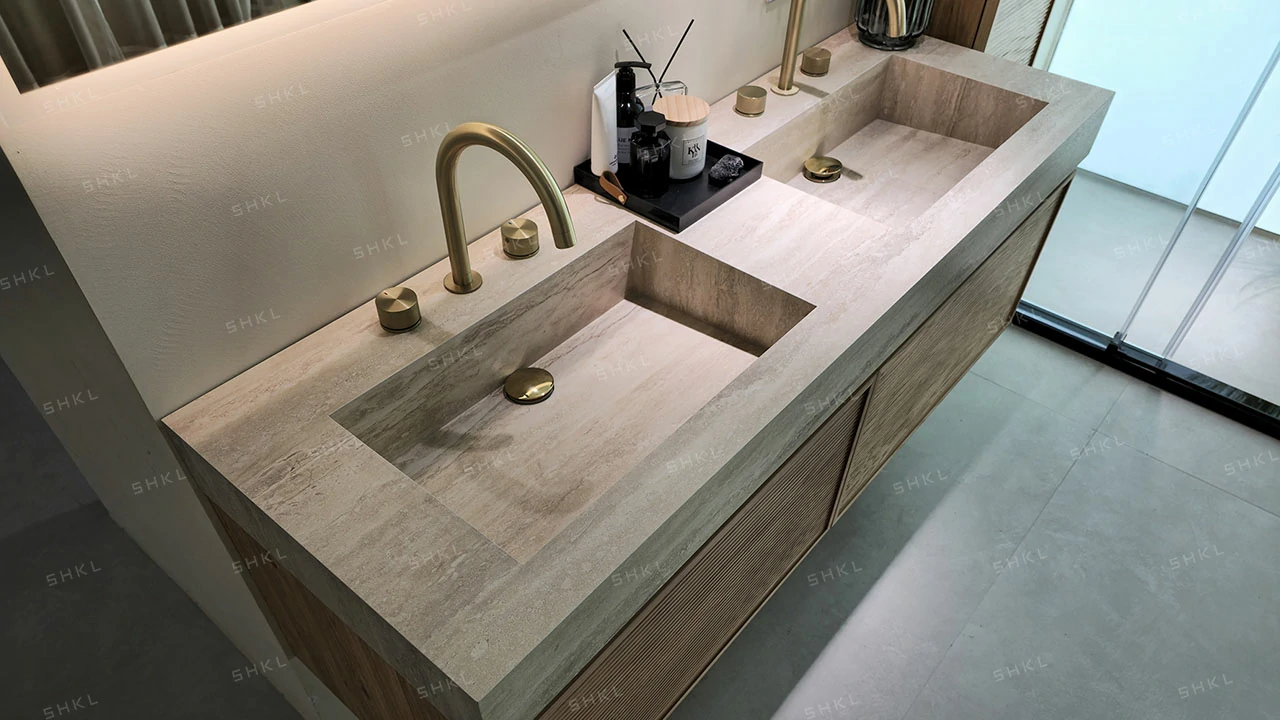
2.6 Integrated Sink with Vanity
Description
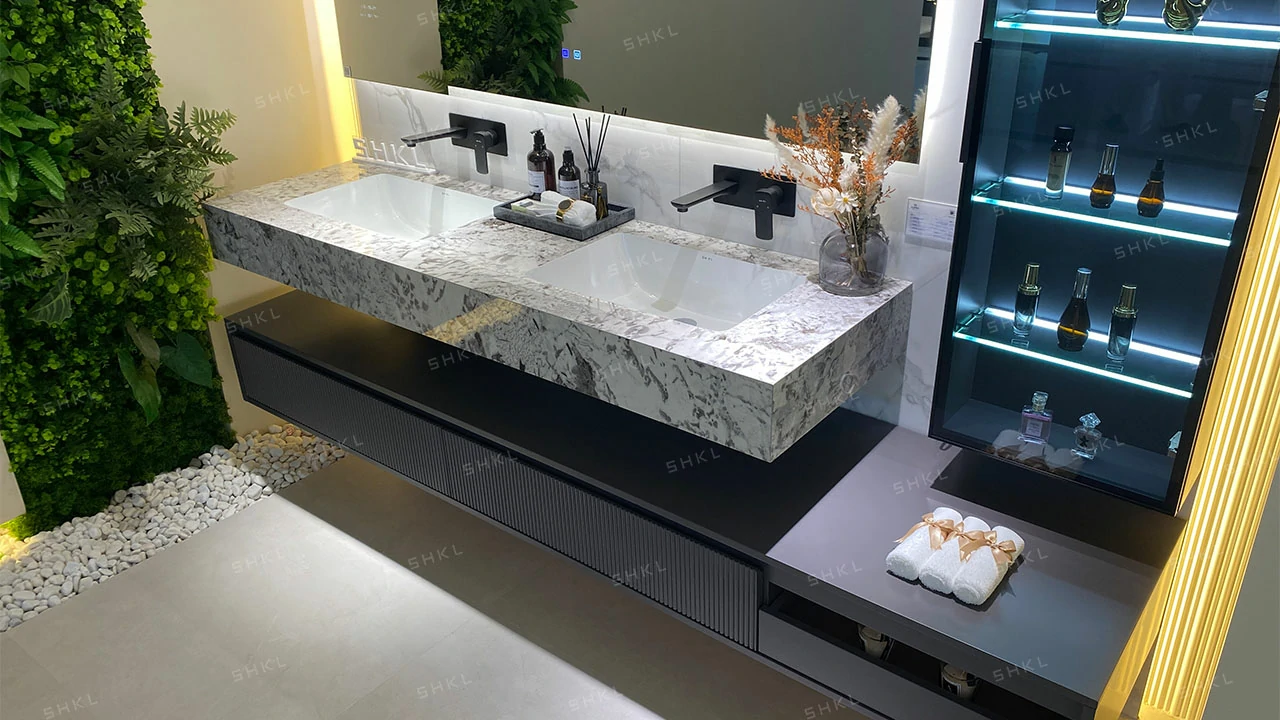
This design combines the sink and countertop as one seamless piece—often made from solid surface, resin, or engineered stone.
Pros
Extremely easy to maintain with no seams or crevices
Modern, clean look suitable for family bathrooms
Resistant to stains and moisture
Cons
Limited customization options
Replacing the sink typically means replacing the entire top
Best For
Contemporary family bathrooms, rental properties, and anyone who prioritizes easy cleaning and long-term durability.
2.7 Console Sink
Description
A console sink stands on two or four legs and includes an exposed basin, offering a balance between openness and support.
Pros
Open, airy design ideal for medium-sized bathrooms
Stylish and elegant, often seen in boutique renovations
Allows easy floor access for cleaning
Cons
Limited storage compared to full vanities
Requires careful plumbing placement to maintain aesthetics
Best For
Mid-size bathrooms, transitional designs, or homeowners wanting a balance of style and spaciousness.
From Pinterest
3. Bathroom Sink Materials: Which One Should You Choose?
As I compared different bathroom sink materials, I found that choosing the right one isn’t just about appearance—it also affects durability, daily maintenance, and long-term value. Whether you're designing a modern vanity setup, comparing undermount sink options, or choosing materials for a vessel sink, understanding these differences helps you avoid costly mistakes.
Below are the most common materials, along with insights based on real-life usage and buyer expectations.
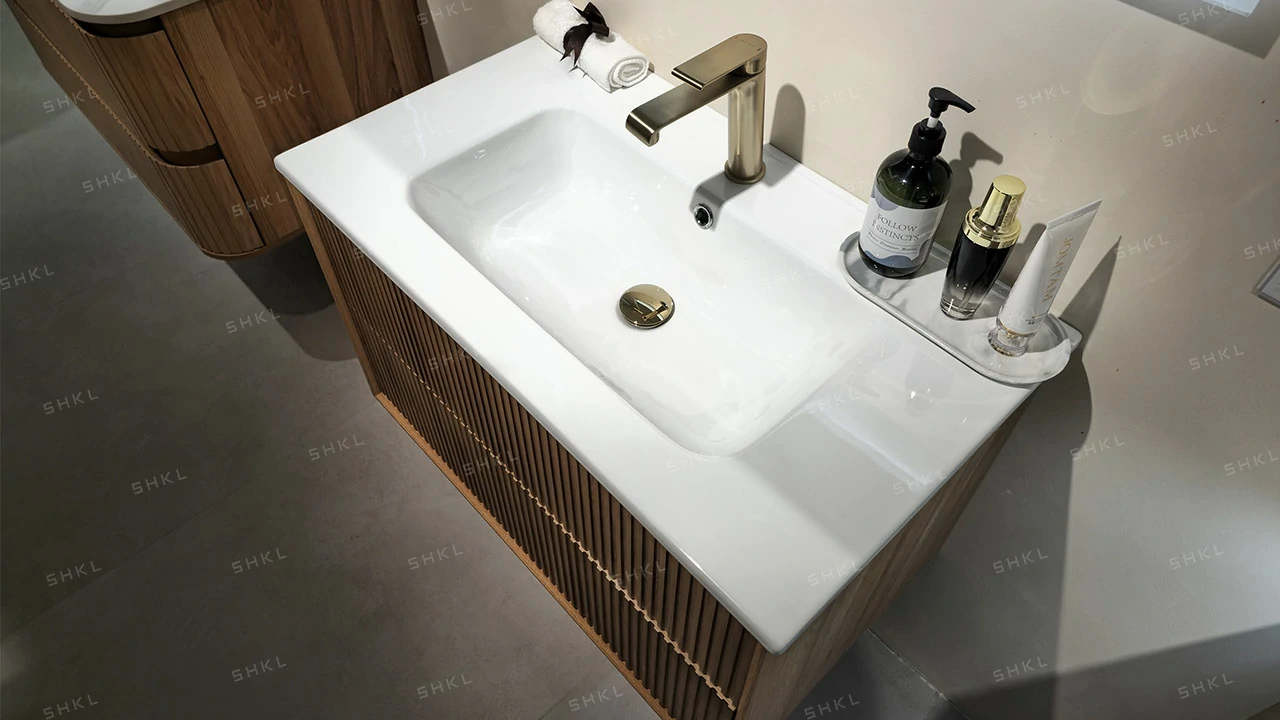
3.1 Ceramic & Porcelain
Why They’re the Most Popular
Whenever I walk into a showroom or browse product catalogs, ceramic and porcelain sinks dominate the selection. They’re popular for good reason: they strike the perfect balance between durability, affordability, and a clean, timeless look.
Pros
Durable and long-lasting, resistant to most everyday scratches
Easy to clean, ideal for busy households
Non-porous surface helps prevent stains and odors
Works well with most sink styles, including undermount, drop-in, and pedestal designs
Cost Range
Ceramic and porcelain sinks typically fall into the affordable to mid-range category, making them suitable for both budget-conscious homeowners and large-volume B2B orders.
Best For
Standard bathrooms, rental units, and high-traffic family spaces where convenience matters.
3.2 Resin / Solid Surface
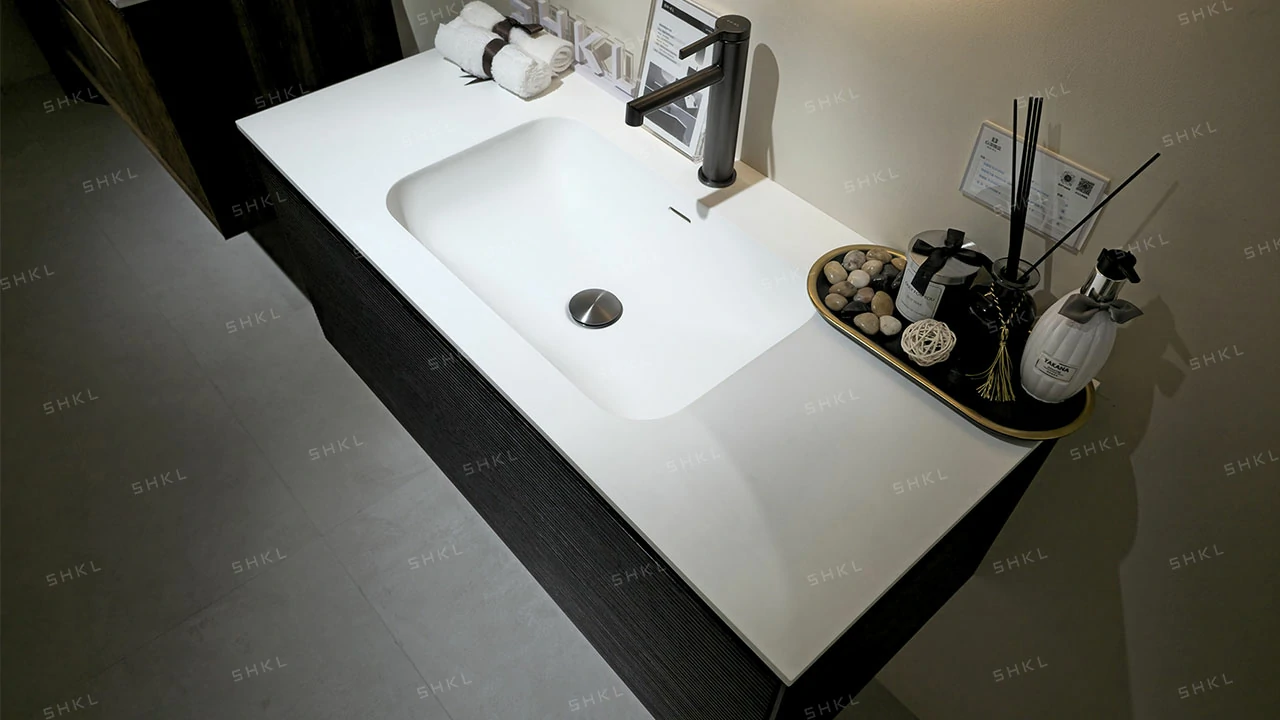
Modern and Highly Customizable
Over the years, I’ve noticed resin and solid surface sinks becoming more popular in modern bathroom designs. Their smooth, seamless finish and ability to be molded into almost any shape make them a great match for contemporary vanities and integrated sink tops.
Pros
Customizable colors and shapes, ideal for brands or designers
Warm, satin-like touch compared to ceramic
Seamless integrated sink options reduce cleaning needs
Cons
Heat sensitivity—placing very hot items may cause discoloration
Can be prone to scratches without proper care
Best For
Contemporary bathrooms, integrated sink countertops, and projects where unique color customization is important.
3.3 Glass
Stylish and Artistic
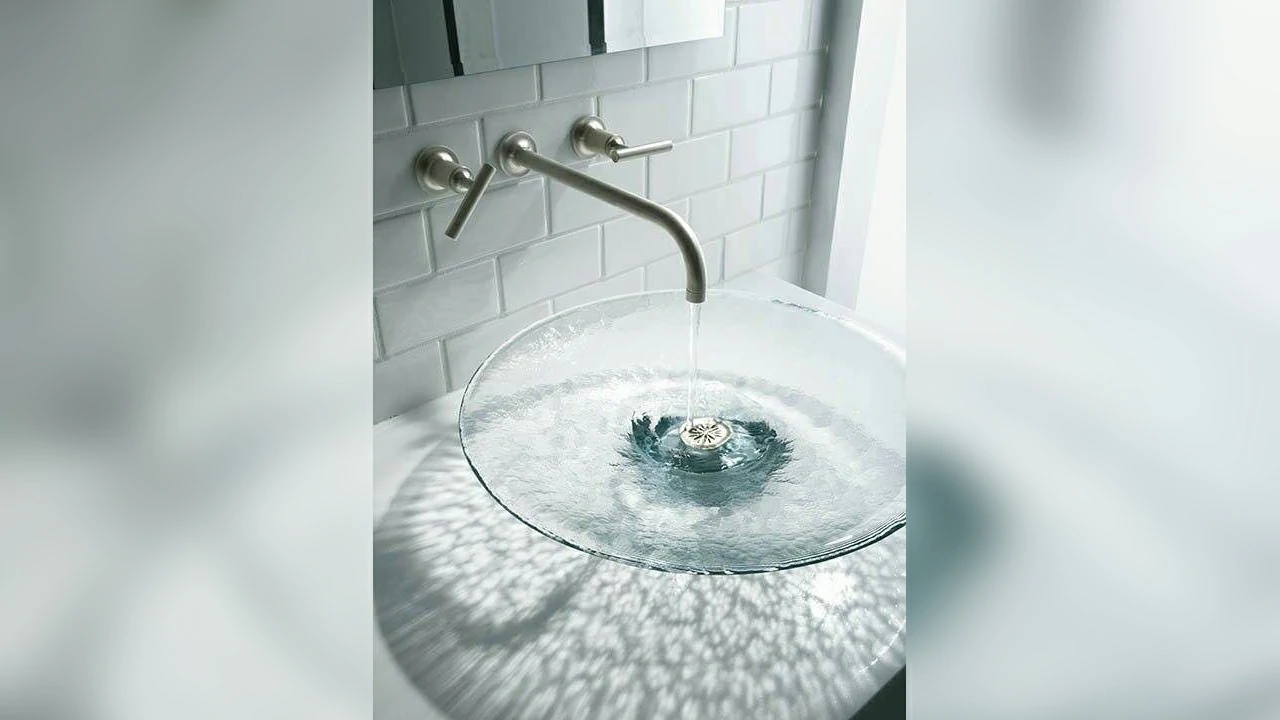
A glass vessel sink often becomes the star of the room. Whenever I specify this material in boutique-style bathrooms, it instantly adds elegance and a touch of luxury.
Pros
Extremely stylish, ideal as a design focal point
Variety of colors, patterns, and textures
Perfect for vessel sink installations
Cons
Less durable—glass can chip or shatter under heavy impact
Requires frequent cleaning to avoid water spots and fingerprints
Best For
Decorative or guest bathrooms, boutique hotel designs, and low-use spaces where aesthetics take priority over durability.
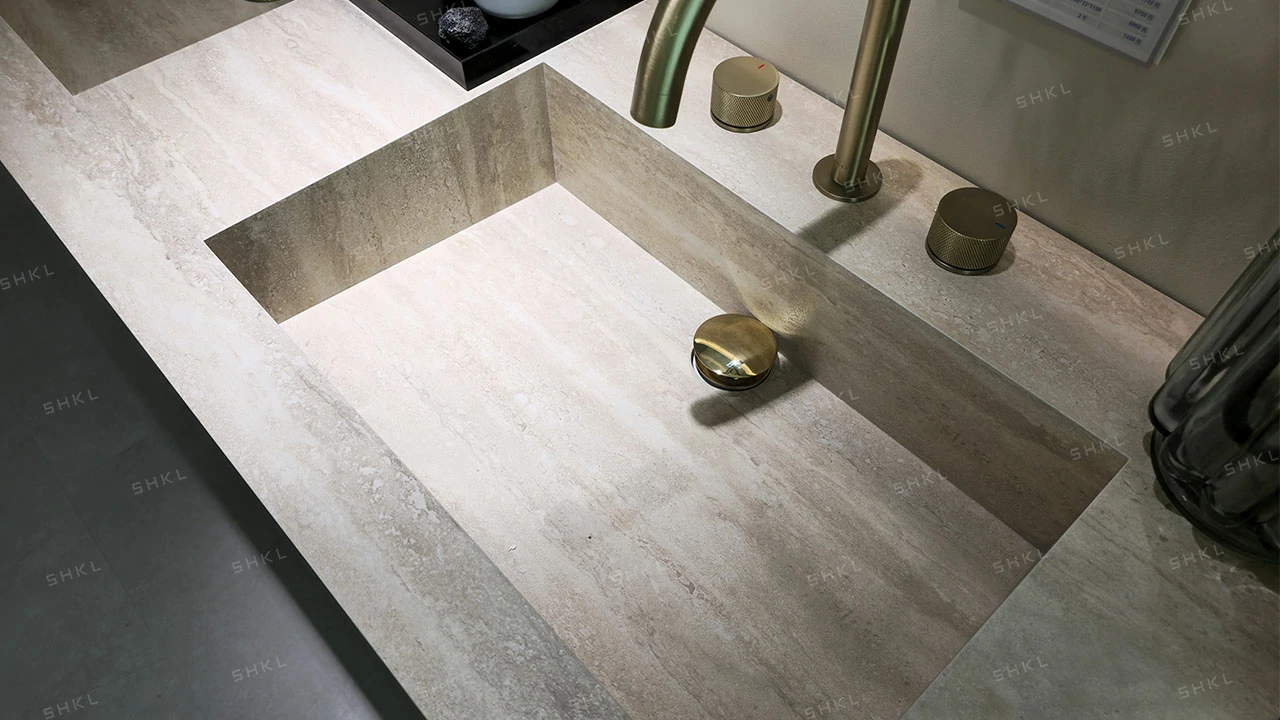
3.4 Stone (Marble, Granite, Quartz, Matte Stone)
Premium Aesthetic and Natural Beauty
Natural stone sinks always catch my eye—they instantly elevate a bathroom's overall style. Materials like marble and granite bring luxury, while engineered quartz and matte stone offer a more uniform modern look.
Pros
Premium, high-end appearance
Exceptionally sturdy and heavy
Unique veining and textures, especially in natural stone
Cons
Higher cost, both for the material and installation
Some stones require sealing and ongoing maintenance
Can be very heavy, needing additional support
Best For
Luxury homes, high-end hospitality projects, and bathrooms where design impact is a top priority.
3.5 Stainless Steel
Durable and Practical for Commercial Settings
Although not as common in homes, stainless steel sinks are widely used in commercial or industrial-style bathrooms. I often recommend them where durability and hygiene are the main concerns.
Pros
Highly durable and rust-resistant
Easy to disinfect
Works well in utility or commercial environments
Cons
Industrial appearance may not suit all bathroom styles
Can show water spots and scratches more easily
Best For
Commercial public bathrooms, minimalist industrial interiors, and high-humidity environments.
The Stainless Steel Sink, Usually For Kitchen Sink From Pinterest
4. How to Choose the Right Bathroom Sink (Step-by-Step)
Choosing the right sink can feel overwhelming, especially with so many bathroom sink types, installation methods, and materials available. When I help homeowners or B2B clients select a sink, I always walk them through a simple but insightful step-by-step process. This ensures the final choice fits the space, lifestyle, and long-term maintenance expectations—without sacrificing style.
4.1 Measure Your Space
Start With the Basics: Width, Depth, and Clearance
One of the most common mistakes I see is choosing a sink based solely on appearance. Before you fall in love with a vessel or undermount sink, always measure:
Sink width (left to right)
Sink depth (front to back)
Clearance around doors, walls, and walkways
This prevents crowding and ensures the sink feels proportional to your vanity or countertop.
Small vs. Large Bathroom Considerations
If I’m designing a small bathroom, I lean toward compact sinks such as:
Wall-mounted sinks
Pedestal sinks
Small undermount sinks paired with a narrow vanity
For larger bathrooms, the possibilities open up:
Double-sink vanities
Vessel sinks as a bold design statement
Integrated sinks for a sleek, modern feel
Proper measurements set the foundation for every decision that follows.
4.2 Determine Your Installation Type
Countertop, Wall-Mounted, or Freestanding Vanity?
Next, I always clarify how the sink will be installed, because this choice instantly eliminates or unlocks certain sink types.
Countertop sinks
Ideal for drop-in, undermount, or vessel sinks. Works great when you want extra storage or a modern vanity setup.Wall-mounted sinks
Best for small, minimalist, or accessible bathrooms. They make the room feel open but require strong wall anchoring.Freestanding vanities
Perfect when you need storage. These pair well with undermount, integrated, or drop-in sinks, depending on the design.
Each installation type affects not only aesthetics but also plumbing layout, cleaning convenience, and long-term functionality.
4.3 Consider Your Daily Use
Think About How the Bathroom Is Used—Every Single Day
A bathroom for a family with kids isn’t the same as a guest bathroom in a rental property. When choosing between different bathroom sink types, I always consider real-life usage.
Family with kids
Choose durable, easy-to-clean sinks such as ceramic undermount or top-mount designs. Avoid glass or high-maintenance stone.Rental property
Choose sinks that balance durability, affordability, and simple maintenance—drop-in sinks or integrated sinks work very well.Guest bathroom
This is where you can get creative. Vessel sinks or stylish materials like glass or stone can create a memorable impression because they aren’t used heavily.
Daily usage is one of the biggest factors that determines which sink will feel right long-term.
4.4 Match the Sink Style to Your Bathroom Design
Your Sink Should Complement the Entire Room
Every bathroom has a personality, and the sink should reinforce that design direction. I always match sink style to the overall aesthetic:
Minimalist
Wall-mounted sinks, undermount sinks, and integrated sinks with clean lines and neutral tones.Modern luxury
Vessel sinks, stone basins, and solid surface materials that create visual impact and highlight the vanity area.Traditional
Pedestal sinks, console sinks, or porcelain basins with soft curves.Industrial
Stainless steel sinks, exposed plumbing, or matte stone styles that pair with raw textures.
Once the design language is set, the sink becomes part of a cohesive visual story rather than an isolated fixture.
4.5 Evaluate Budget & Long-Term Maintenance
Cost vs. Durability: Finding the Right Balance
Budget isn’t just about the initial price—it’s also about how much you’ll spend maintaining the sink over time. I always compare both short-term and long-term costs before recommending a material.
Here’s a general breakdown:
| Material | Cost Range | Durability | Maintenance Level |
|---|---|---|---|
| Ceramic / Porcelain | Low–Mid | High | Low |
| Resin / Solid Surface | Mid | Medium | Medium |
| Glass | Mid | Lower | High |
| Stone (Marble, Granite, Quartz) | Mid–High | High | Medium–High |
| Stainless Steel | Low–Mid | High | Low |
Which Materials Last Longest?
If longevity is the goal, I typically recommend:
Porcelain or ceramic for family bathrooms
Quartz or matte stone for luxury spaces
Stainless steel for commercial or industrial-style bathrooms
These materials offer the best balance between durability and long-term maintenance.
5. Comparison Table: Sink Types at a Glance
When I compare different bathroom sink types for clients—especially when they’re debating between an undermount sink, a vessel sink, or a pedestal sink—I find that a simple, visual breakdown helps people quickly understand the practical differences. Below is a comparison table that captures the most important factors: cost, installation difficulty, maintenance needs, durability, suitable bathroom size, and ideal design style.
This table isn’t just a summary; it reflects real-world insights from years of observing how each sink type performs in daily use.
Bathroom Sink Comparison Overview
| Sink Type | Cost | Installation Difficulty | Maintenance Level | Durability | Best Bathroom Size | Design Style |
|---|---|---|---|---|---|---|
| Undermount Sink | Mid–High | Moderate (requires solid countertop) | Low | High | Medium–Large | Minimalist, Modern |
| Vessel Sink | Mid–High | Easy–Moderate | Medium–High (splash & cleaning) | Medium | Medium–Large | Modern Luxury, Boutique |
| Drop-In (Top-Mount) Sink | Low–Mid | Easy | Medium | High | Any size | Traditional, Standard Renovation |
| Pedestal Sink | Low–Mid | Easy | Low | High | Small | Classic, Traditional |
| Wall-Mounted Sink | Low–Mid | Moderate–High (strong wall required) | Low–Medium | Medium–High | Small–Medium | Minimalist, Modern |
| Integrated Sink with Vanity | Mid | Easy–Moderate | Very Low | High | Any size | Contemporary, Family-Friendly |
| Console Sink | Mid | Moderate | Medium | Medium | Medium | Transitional, Boutique |
How to Use This Table to Make a Better Choice
When I guide clients through these options, I always suggest looking at the table in layers:
Start with bathroom size.
If you have a small bathroom, wall-mounted and pedestal sinks typically rise to the top.
For larger spaces, undermount or vessel sinks allow for more design freedom.Prioritize maintenance.
If low maintenance is a must—for example, in family bathrooms or rental units—integrated sinks and undermount sinks outperform the rest.Think about installation conditions.
If you don’t have a stone countertop, drop-in sinks or vessel sinks offer more flexibility than undermount models.Match the sink to your design theme.
Modern luxury? Choose a vessel sink.
Minimalist? Wall-mounted or undermount.
Traditional? Pedestal or top-mount.
This quick comparison gives you a clear picture before diving into deeper details, helping you narrow your choices with confidence.
6. Common Mistakes When Choosing a Bathroom Sink
Even after reviewing all the bathroom sink types and materials, I’ve noticed that many people still fall into a few common traps. When I advise homeowners, contractors, or B2B buyers, I always highlight these mistakes—because avoiding them can save time, money, and long-term frustration.
1. Choosing Based on Looks Only
I’ve seen many beautiful bathrooms fail in daily use simply because the sink was chosen purely for aesthetics. A vessel sink may look stunning on Instagram, but if it’s installed in a high-traffic family bathroom, the splashing and frequent cleaning can quickly become a burden.
Likewise, a minimalist wall-mounted sink might look sleek but offer zero storage—something essential for everyday routines.
A bathroom sink should strike a balance between style, function, and practicality, especially when paired with a vanity.
2. Ignoring Countertop Compatibility
This mistake is more common than you’d think. Not all sinks work with all countertops. For example:
Undermount sinks require solid surfaces like quartz, granite, or marble.
Drop-in sinks work well with almost any material, including laminate.
Vessel sinks need a countertop that can support additional height and weight.
If the countertop and sink style aren’t compatible, you’ll either face installation delays or be forced to redesign your vanity entirely.
Proper planning saves you from unexpected costs and structural issues.
3. Oversizing in Small Bathrooms
I often remind clients that bigger is not always better. Placing a large sink—or a wide vanity—in a small bathroom can quickly reduce movement space, block drawers or doors, and make the room feel cramped.
Instead, consider:
Wall-mounted sinks
Compact undermount sinks
Pedestal sinks
These keep the floor more open and maintain balance in the room’s proportions. In tight spaces, clearance matters more than sink width alone.
4. Selecting Hard-to-Maintain Materials
This issue becomes especially important when choosing between materials like ceramic, stone, glass, or solid surface.
For example:
Stone sinks look luxurious but require sealing and ongoing care.
Glass sinks show water spots easily and need frequent wiping.
Resin sinks can scratch if cleaned improperly.
If I’m advising a family with kids or a landlord outfitting a rental unit, I always recommend ceramic or porcelain because they offer the best combination of durability and low maintenance.
Choosing a beautiful material is great—but choosing one that fits your lifestyle is even better.
7. Recommendations for Different Bathroom Types
Over time, I’ve realized that choosing the right bathroom sink type depends just as much on the room’s purpose as it does on style or materials. Different bathrooms have different needs, and matching the sink to the environment ensures better usability, longer durability, and a more harmonious design.
Below are the recommendations I always give when helping clients plan their spaces.
Small Bathroom
Wall-Mounted Sink
Whenever I work with a small bathroom, a wall-mounted sink is often my first recommendation. Its floating design frees up valuable floor space, making the room feel more open while creating visual lightness. It’s perfect for minimalist or modern bathrooms where every inch counts.
Pedestal Sink
A pedestal sink is ideal when the bathroom needs a classic look without overwhelming the space. It conceals plumbing neatly while keeping the footprint small. Although it lacks storage, it’s excellent for powder rooms or small homes where simplicity wins.
Compact Undermount Sink
If the bathroom includes a small vanity, a compact undermount sink offers the most seamless look. Because it sits below the countertop, it maximizes counter surface and is incredibly easy to clean—an important benefit in tight areas.
Large Bathroom
Double-Sink Vanity
For large bathrooms, especially master bathrooms, I always suggest a double-sink vanity. It not only improves daily convenience for couples or families but also enhances the sense of luxury and symmetry. Undermount sinks or integrated sinks work beautifully here.
Vessel Sinks as Design Accents
A spacious bathroom offers more design freedom, making vessel sinks a fantastic choice. They become a focal point, adding height, elegance, and personality to the vanity area. In large bathrooms, splash risk becomes less of a concern due to generous countertop space.
Rental / Airbnb
Durable Materials First
For rental properties, durability must come before aesthetics. I recommend:
Ceramic or porcelain sinks (long-lasting, scratch-resistant)
Drop-in sinks (simple to repair or replace)
Integrated sinks (fewer seams = fewer cleaning issues)
These options hold up well to frequent use and accidental damage.
Easy-to-Clean Designs
Maintenance is a major concern for Airbnb hosts. Undermount sinks and integrated solid surface sinks reduce cleaning time because there are no ridges for grime to collect. Avoid glass or stone sinks unless the unit is luxury-focused.
Luxury Projects
Vessel Sinks
Luxury bathrooms thrive on visual impact, and vessel sinks deliver exactly that. When paired with premium vanities or solid surface countertops, they instantly elevate the room’s design narrative.
Integrated Solid Surface Sinks
For a sleek, seamless aesthetic, I love recommending integrated sinks. These offer a modern, hotel-style design where the countertop and sink blend into one smooth surface. They’re elegant, hygienic, and perfect for high-end contemporary spaces.
Stone Sinks (Marble, Quartz, Matte Stone)
Nothing conveys luxury quite like stone sinks. Whether it’s a carved marble basin or a matte stone integrated top, these sinks bring a sense of craftsmanship and material richness that can’t be replicated by lower-cost options.
7. Recommendations for Different Bathroom Types-5.
Difference Sink Idea For Bathroom From Pinterest
Difference Sink Idea For Bathroom From Pinterest
7. Recommendations for Different Bathroom Types-3.
Difference Sink Idea For Bathroom From Pinterest
7. Recommendations for Different Bathroom Types-2.
Difference Sink Idea For Bathroom From Pinterest
7. Recommendations for Different Bathroom Types-1.
Difference Sink Idea For Bathroom From Pinterest
7. Recommendations for Different Bathroom Types.we
Difference Sink Idea For Bathroom From Pinterest
8. Conclusion
Function, Space, and Style—The Real Formula for Choosing the Best Sink
After exploring all the major bathroom sink types, materials, and installation methods, I’ve found that the “best” sink isn’t defined by trends or price—it’s defined by how well it fits your bathroom and lifestyle. A sink should complement the space, support daily routines, and reflect the design personality you want to create.
A small bathroom may thrive with a wall-mounted or pedestal sink, while a spacious master suite can easily accommodate a double-sink vanity or a statement-making vessel sink. Likewise, material choices—from porcelain to stone—should align with your maintenance expectations and long-term durability needs.
Evaluate Your Needs Before Making a Decision
Before choosing, I always recommend stepping back and asking a few key questions:
How much space do I truly have?
Who will use the bathroom daily?
Do I want something low-maintenance or high-impact?
Does my countertop work with the installation type I prefer?
When you evaluate your space, function, and personal style together, the right sink becomes an easy and confident choice.
For Businesses: Consider What Your Customers Value Most
If you're a distributor, retailer, or project contractor, understanding the diverse needs of your customer base is essential. Offering a strong selection of undermount sinks, vessel sinks, drop-in sinks, integrated vanity tops, and various materials ensures you can meet both functional demand and design preference.
Explore opportunities for wholesale options, customizable vanity sinks, and material variations to stand out in a competitive market.
recommended for you
Get In Touch With SHKL
Just leave your email or phone number in the contact form so we can send you a free quote for our wide range of designs!


CONTACT
Contact Person: Rita Luo
E-mail: info@shklbathroom.com
E-mail: info@shkl.cc
Tel: +86 0757 82583932
Fax: +86 0757 82583936
Whatsapp: +86 139 299 10217
Foshan SHKL Sanitary Ware Co., Ltd.
FOSHAN SHKL SANITARY WARE CO., LTD
COPYRIGHT © 2004-2025 SHKL ALL RIGHTS RESERVED. | SITEMAP